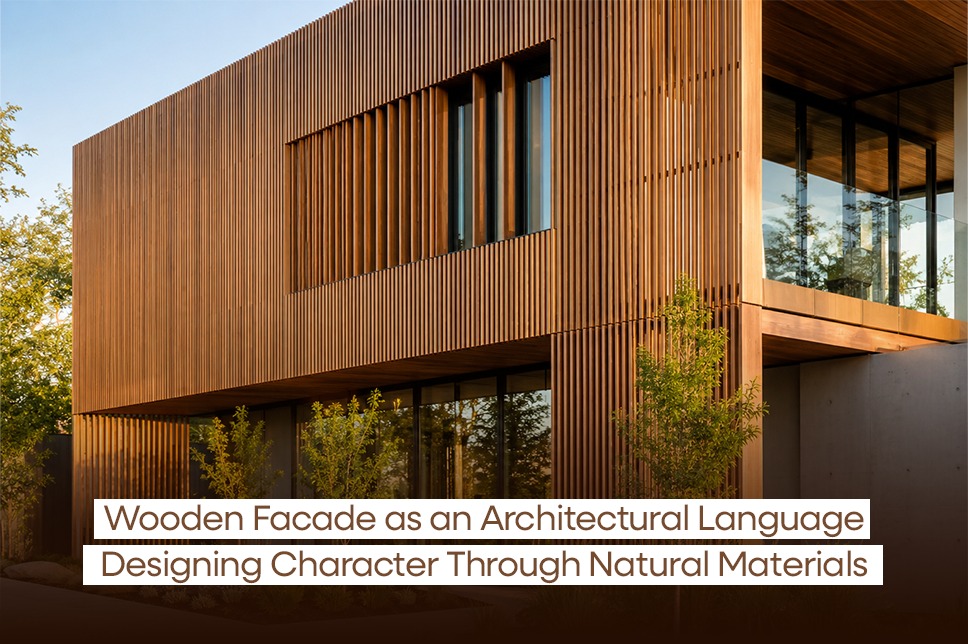
Wooden Facade as an Architectural Language: Designing Character Through Natural Materials
Architectural design with a wooden facade extends far beyond functionality. Wood is a living and versatile material that serves as a powerful design language, shaping a building’s identity, character, and visual expression. From minimalist modern homes to bold architectural landmarks, wood creates timeless facades that feel natural, warm, and expressive.
Wooden facades are no longer just exterior coverings—they are an integral part of architectural storytelling. Through texture, rhythm, proportion, and material composition, wood allows architects to create spaces that are both visually striking and deeply connected to their surroundings.
Fundamental Elements of Wooden Facade Design
Wood functions as more than a cladding material; it becomes a system of architectural expression. Every design decision contributes to a unified visual language.
Modulation and Rhythm
The arrangement of wooden panels defines rhythm and order on a facade. Standardized systems, such as modular panel grids, help create consistency while allowing creative flexibility in design layouts.
Orientation and Direction
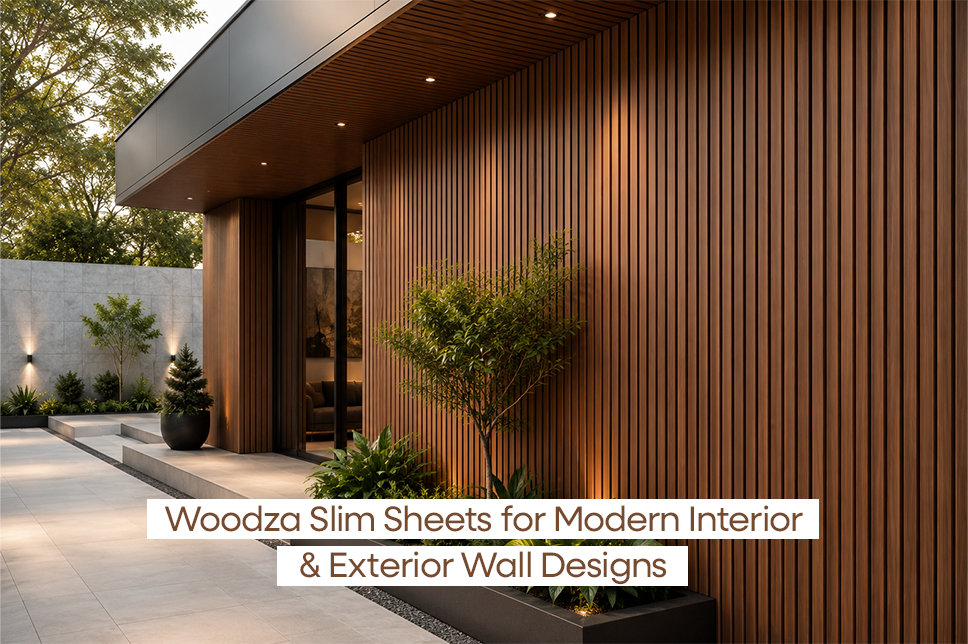
Horizontal wood cladding emphasizes width and landscape connection, while vertical arrangements highlight height and elegance. Slatted systems provide dynamic visual effects and depth.
Scale and Proportion
Large wooden panels create bold architectural statements, while smaller components introduce warmth and texture. The balance between scale and proportion defines the visual impact of the facade.
Material Expression in Wooden Facades
Continuity and Fragmentation
Wood can form seamless surfaces for a unified look or be fragmented into sections to highlight structural elements and architectural transitions.
Texture and Depth
Wooden surfaces create dynamic light and shadow effects. Variations in panel depth, layering, and finish add movement and visual interest throughout the day.
Color and Tone
Different wood species and treatments allow for a wide range of colors—from natural warm tones to darker, more dramatic finishes. Custom staining and coatings further expand design possibilities.
Integrating Wood with Other Materials
Material Dialogue
Wood introduces warmth and balance when combined with materials like glass, steel, and concrete, creating visually rich and modern compositions.
Transitions and Junctions
Careful detailing at material joints ensures smooth transitions or intentional contrasts, depending on the design intent.
Establishing Hierarchies
Using wood selectively on key building elements such as facades, entrances, or upper levels helps define visual importance and structure.
Wooden Facades in Architectural Typologies
Residential Architecture
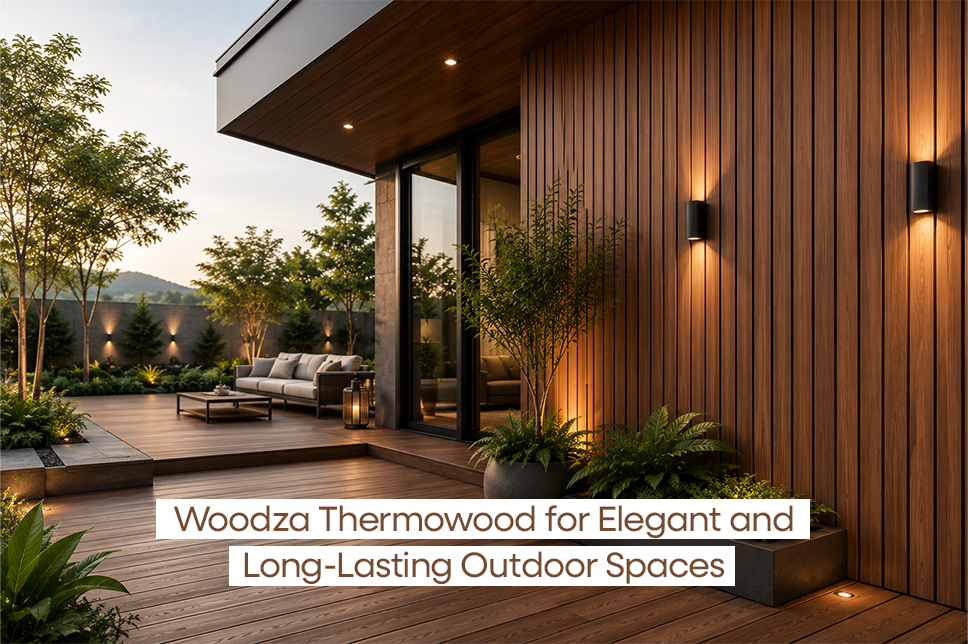
Wood enhances comfort and warmth in homes, creating a seamless connection between indoor and outdoor spaces.
Educational Buildings
Wood reduces institutional harshness and creates calming, acoustic-friendly learning environments.
Corporate Architecture
In office buildings, wood introduces warmth into otherwise rigid materials like steel and glass, improving workplace comfort.
Cultural Architecture
Museums and libraries use wood to reflect craftsmanship, creativity, and cultural identity in architectural form.
Inspiring Applications of Wooden Facades
Interior–Exterior Continuity
Modern architecture uses wood to blur boundaries between indoor and outdoor spaces, creating cohesive environments.
Climate-Responsive Design
Wood adapts well to different climates, from cold northern regions to warm tropical environments, while maintaining structural performance.
Technical Innovation
Advanced engineered wood systems and fire-resistant treatments have expanded the possibilities of wooden facade construction.
Designing for Longevity
Controlled Aging
Modern treatments allow wood to age naturally while maintaining aesthetic consistency over time.
Maintenance and Replacement
Modular facade systems allow easy replacement of damaged sections, ensuring long-term durability and performance.
Where Technology Meets Expression
Modern wooden facade systems combine technical innovation with architectural creativity. Improved durability, fire resistance, and weather performance allow architects to focus on design expression without compromising safety or functionality.
Wood remains one of the most powerful architectural materials, capable of creating meaningful, human-centered environments. When thoughtfully applied, wooden facades become more than just building envelopes—they define the identity and character of the entire structure.
Conclusion
Wooden facades represent the perfect balance between nature and architecture. Their versatility, warmth, and timeless appeal make them suitable for residential, commercial, and cultural buildings alike. With the right design approach, wood can transform ordinary structures into iconic architectural statements.
Frequently Asked Questions (FAQs)
1. What is a wooden facade in architecture?
A wooden facade is an exterior building surface made using timber or engineered wood materials, designed to enhance aesthetics, insulation, and architectural expression.
2. Is wood suitable for exterior facades?
Yes. With proper treatment and modern engineered systems, wood performs well in exterior conditions and offers long-lasting durability.
3. What are the benefits of wooden facades?
Wooden facades provide natural beauty, thermal insulation, sustainability, design flexibility, and a warm architectural appearance.
4. How long does a wooden facade last?
With proper maintenance and protective coatings, wooden facades can last several decades depending on climate and material quality.
5. Can wood be combined with other facade materials?
Yes. Wood is often combined with glass, steel, concrete, and aluminum to create modern architectural compositions.
6. Does wood require maintenance in exterior applications?
Yes. Regular maintenance, sealing, and protective treatments help preserve the appearance and durability of wooden facades.
7. Is engineered wood good for facades?
Engineered wood offers improved stability, durability, and resistance to environmental conditions, making it suitable for modern facade systems.
8. Are wooden facades sustainable?
Yes. When sourced responsibly, wood is a renewable and eco-friendly building material that supports sustainable architecture.