Everything You Need to Know About Aluminium Composite Panels
Aluminium Composite Panels, commonly known as ACPs, are one of the most widely used modern building materials in architecture and construction. They are valued for their lightweight structure, durability, flexibility in design, and premium aesthetic appeal. ACPs are used extensively in both exterior facades and interior applications, making them a preferred choice for architects, designers, and builders worldwide.
These panels consist of two thin layers of aluminium bonded to a non-aluminium core, creating a strong yet lightweight material that is easy to install and maintain. Available in a wide range of colors, textures, and finishes, ACPs allow endless design possibilities for residential, commercial, and industrial projects.
This comprehensive guide will help you understand everything about Aluminium Composite Panels, including their benefits, types, applications, installation methods, maintenance tips, and design ideas.
What Are Aluminium Composite Panels (ACP)?
Aluminium Composite Panels are flat panels made by sandwiching a non-aluminium core between two aluminium sheets. This structure provides strength, flexibility, and durability while keeping the material lightweight.
They are commonly used as cladding materials for building exteriors, interior walls, signage, and decorative surfaces.
Key Benefits of ACP Sheets
- Lightweight and easy to handle.
- High durability and long service life.
- Weather and UV resistance.
- Corrosion and rust resistant.
- Fire-retardant options available.
- Low maintenance requirements.
- Wide variety of colors and finishes.
- Modern and premium appearance.
- Cost-effective compared to stone or metal cladding.
Types of Aluminium Composite Panels
1. Polyethylene (PE) Core ACP
Commonly used for interior applications due to its lightweight and cost-effectiveness.
2. Fire-Resistant (FR) ACP
Designed with a fire-retardant mineral core, making it suitable for high-rise buildings and commercial structures.
3. Mirror Finish ACP
Provides a reflective surface ideal for modern interiors, showrooms, and decorative applications.
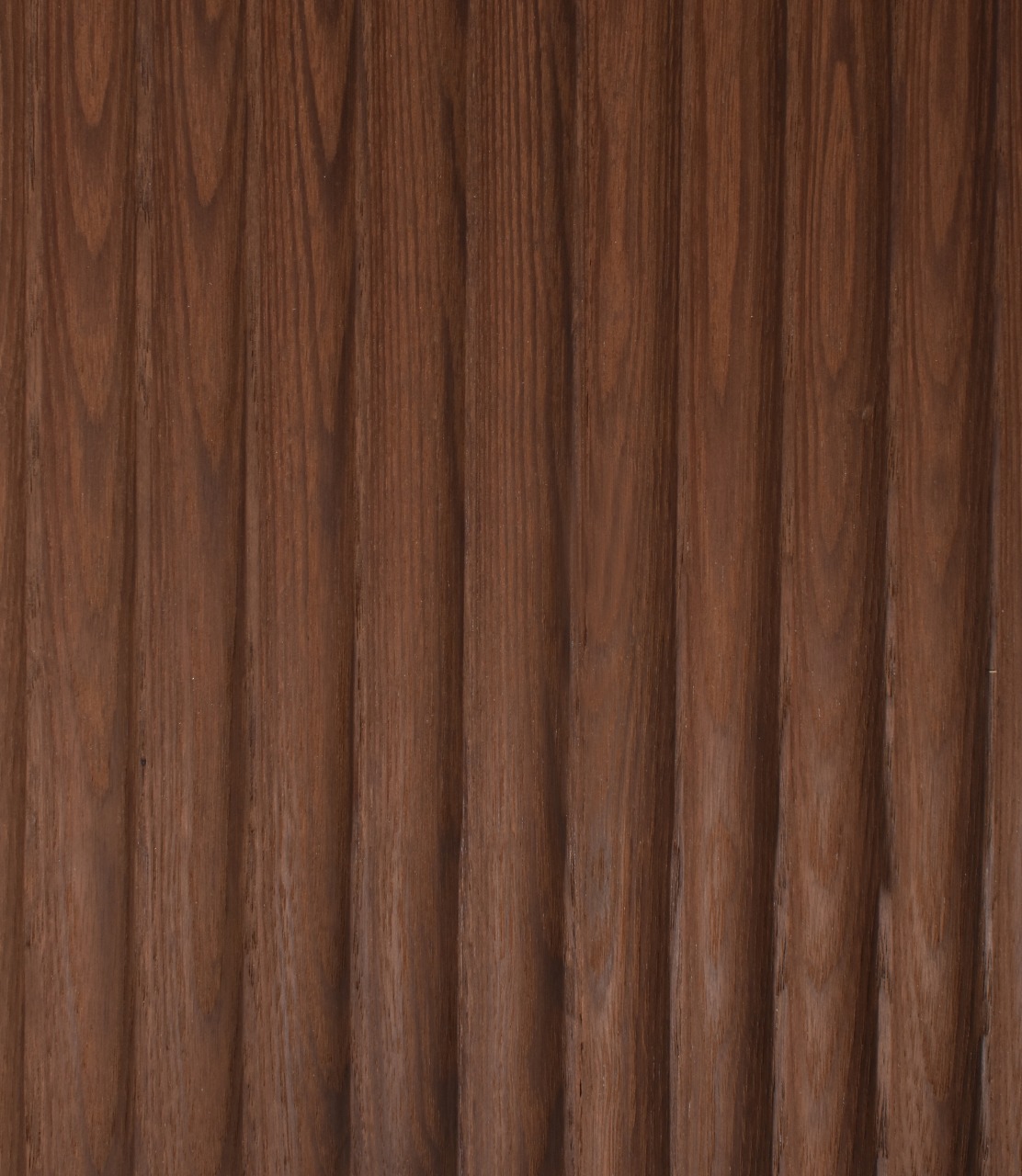
4. Wooden Finish ACP
Offers the appearance of natural wood with better durability and lower maintenance.
5. Stone Finish ACP
Replicates the look of natural stone while being lighter and easier to install.
Applications of ACP Panels
Residential Projects
- Exterior wall cladding
- Kitchen backsplashes
- Living room feature walls
- Balcony decoration
Commercial Buildings
- Office facades
- Shopping malls
- Hotels and resorts
- Retail stores
Industrial Uses
- Factory exteriors
- Warehouse cladding
- Signboards and branding panels
Popular ACP Finishes
- Glossy Finish
- Matte Finish
- Brushed Aluminium
- Wood Grain Finish
- Marble Texture
- Stone Look Finish
- Metallic Finish
- Custom Printed Designs
Design Ideas Using ACP Panels
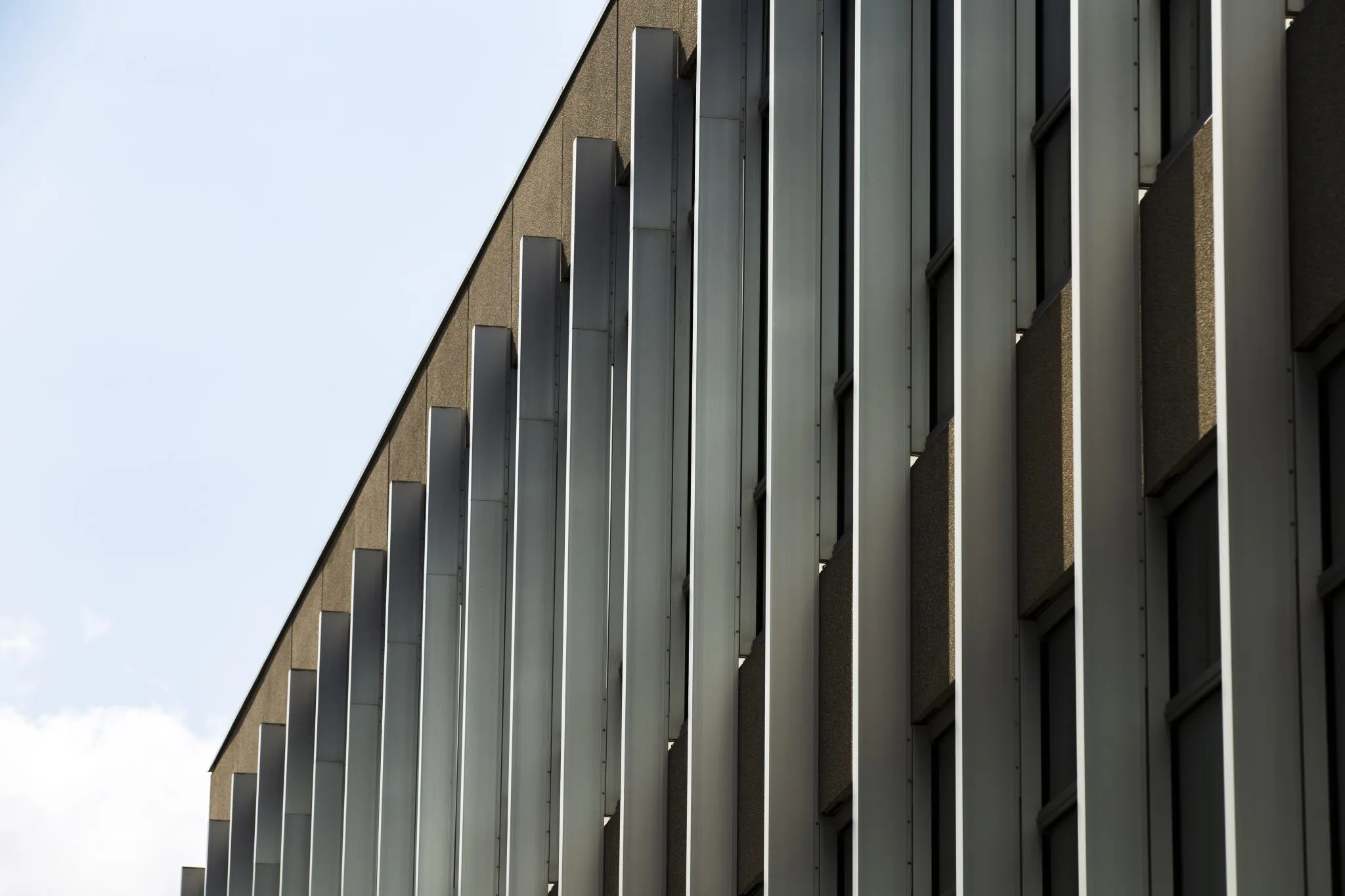
Modern Building Facades
Create sleek and contemporary exteriors using metallic or matte ACP sheets with geometric patterns.
Office Interiors
Use brushed aluminium ACP panels to create a professional and elegant workspace.
Retail Stores
Enhance brand identity with custom printed ACP signage and feature walls.
Residential Interiors
Add wooden finish ACP panels for warm, natural-looking living spaces with low maintenance.
Installation Process
- Prepare and clean the wall surface properly.
- Install a sub-frame structure for support.
- Cut ACP sheets according to design requirements.
- Fix panels using screws, rivets, or adhesives.
- Seal joints to prevent water leakage.
- Ensure proper alignment and finishing.
Maintenance Tips
- Clean regularly with mild soap and water.
- Avoid harsh chemicals or abrasive tools.
- Inspect joints and edges periodically.
- Remove dust and stains promptly.
- Use soft cloths for cleaning reflective surfaces.
Common Mistakes to Avoid
- Using low-quality ACP materials.
- Improper sealing during installation.
- Ignoring fire safety ratings for high-rise buildings.
- Skipping structural support framework.
- Using harsh cleaning chemicals.
ACP vs Traditional Materials
| Feature | ACP Panels | Stone Cladding | Wood Panels |
|---|---|---|---|
| Weight | Lightweight | Heavy | Medium |
| Maintenance | Low | Medium | High |
| Durability | High | Very High | Medium |
| Cost | Affordable | Expensive | Medium |
| Installation | Easy | Difficult | Moderate |
Benefits of ACP Panels
- Enhances architectural aesthetics.
- Provides long-lasting protection.
- Suitable for all types of buildings.
- Energy-efficient insulation support.
- Flexible design options.
- Cost-effective solution.
Conclusion
Aluminium Composite Panels are a versatile and modern construction material that combines strength, beauty, and functionality. Their lightweight nature, durability, and wide range of design options make them suitable for both interior and exterior applications.
Whether you're designing a commercial building facade, upgrading your home interior, or creating custom signage, ACP panels offer a reliable and stylish solution that stands the test of time.
Frequently Asked Questions (FAQs)
1. What are Aluminium Composite Panels used for?
ACP panels are used for building facades, interior wall cladding, signage, ceilings, and decorative applications in residential and commercial projects.
2. Are ACP panels waterproof?
Yes. ACP panels are highly resistant to water and weather conditions, making them suitable for exterior use.
3. How long do ACP panels last?
With proper installation and maintenance, ACP panels can last 20–30 years or more.
4. Are ACP panels safe for buildings?
Yes, especially fire-retardant (FR) ACP panels, which are designed for safe use in high-rise and commercial buildings.
5. Can ACP panels be used indoors?
Yes. They are widely used in interiors such as kitchens, living rooms, offices, and retail spaces.
6. Are ACP panels expensive?
No. ACP panels are generally cost-effective compared to natural stone, wood, or other premium cladding materials.
7. What finishes are available in ACP sheets?
Popular finishes include wood grain, stone texture, metallic, matte, gloss, brushed aluminium, and custom printed designs.
8. Do ACP panels require maintenance?
ACP panels require very low maintenance and can be cleaned easily with water and mild detergent.